Human Variation
Cold temperatures are an environmental stress that can cause multiple problems in humans. When a human is exposed to cold temperatures for too long it can cause frost bite, hypothermia, and sometimes even death to name a few. A short term adaptation to cold weather is shivering. Shivering can induce body muscle heat. This method could be a problem though because, it requires an increased intake of nutrients to provide the energy needed. A facultative adaptation is Vasoconstriction. During Vasoconstriction our blood vessels narrow to reduce blood flow to the skin. This would help to retain body heat. A developmental adaptation is people in colder climates tend to have more body fat. They are usually short and rounder then people in warmer climates. This extra fat in the body adds extra layers to help retain body heat. A cultural adaptation is the clothing people wear. Eskimos and people in colder climates wear heavier clothing. They wear parkas and jackets full of fur. These clothing items help keep heat in and stop the cold from reaching the body.
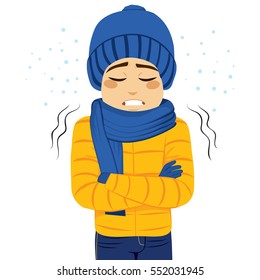


The benefits of learning about other cultures way of dealing with cold weather is that we can learn from them on how to adapt ourselves. Living in California we don't really deal with colder weather as much but, due to changes in weather patterns we have been getting colder and longer winters. We never know what can happen and by learning about these other cultures we can be prepared for the worst case scenarios.
I feel like you can't compare race in this assignment. We are all the same on the inside. We can all adapt to cold weather it's just that certain cultures have been exposed to it more. I think that environmental influences are a better way to determine adaptations. Environments and the things that humans experience will change the way we adapt. Humans learn from their environments regardless of skin color we all adapt usually the same way.
It is better to err on the side of creating too many sections rather than too few. It would have made it easier for me to review and grade your work if you had different sections for each prompt. Blogger also allows you to place pictures where you wish, so each image could have been placed with their appropriate text.
ReplyDeleteI would have liked more information in your first section. What happens to the body when the core body temperature drops below the optimum temperature of 98.6 degrees? Why can't it function well below this temperature? Help your reader understand why adaptations to this stress are so important.
Good identification and description on your short term, facultative, and cultural adaptations.
For your developmental adaptation, it isn't the extra layers that are key. It is the round, squat shape which reduces the amount of surface area for unit mass, thereby reducing heat loss from the body. This is explained in the resources in the assignment module as the Bergmann and Allen's rules.
"...we can learn from them on how to adapt ourselves."
How so? This applies to the cultural adaptation, but most of these traits are biological/physiological/genetic and we have no control over them. None whatsoever. So how can this help us "adapt" to other climates? Is there a way we can use this information in some concrete, technological way? Can knowledge on adaptations to cold climates have medical implications? Help us develop clothing that retains heat more efficiently? Can we develop new means of home/building construction that might help increase heat retention? How can we actually use this information in an applied fashion?
I agree with your conclusions, but let's narrow down the logic as to why race is not useful in terms of explaining human variation. Race is not based in biology but is a social construct, based in beliefs and preconceptions, and used only to categorize humans into groups based upon external physical features, much like organizing a box of crayons by color. Race does not *cause* adaptations like environmental stress do, and without that causal relationship, you can't use race to explain adaptations. Race has no explanatory value over human variation.
Interesting adaptions, the term Vasoconstriction was new to me. I knew that whenever it was really cold my hands and would get a lot colder and never really thought about why. I also warm up my hands whenever they do get hold which may not be a great thing. I also made the same error associating race with biology and not a social construct. It's comforting in way that I wasn't the only one who made that mistake.
ReplyDeleteI found it informative, however I feel like the formatting and placement of the photos was odd, but it's not that big of an issue in my opinion. I think you could have been more specific on Californians adaptations to colder climates rather than just saying we're not used to it. I thought you were leading into to it to connect to current cultural adaptations tactics that are being developed or used. But that's my interpretation of what I thought you were leading into, so take that as you will.
ReplyDeleteI always knew that we adapt to the cold as humans. When I lived in Toronto for a winter I had a higher "tolerance" for it but I never knew that there were physical things that would change in order to enable me to better handle to cold. I really enjoyed what you wrote here as I learned more about what happens on the inside when we are exposed to cold and how we store our body fat differently to help us keep warm and about how we shiver when we are cold. Great work!
ReplyDelete